Frequently Asked Questions
Is it safe to keep driving with the check engine light on?
It depends on how the light is behaving. If it's steady and your car is driving normally, it's usually fine for a short period, but you should still get it checked soon before a minor issue turns into a bigger one. If the light is flashing, that typically signals an active misfire that can damage the catalytic converter — stop driving and arrange service as soon as possible.
What could be causing my check engine light to come on?
Common causes include a loose fuel cap, a failing oxygen sensor, worn ignition components, a fuel injector issue, or an emissions system fault. The light can mean anything from something minor to something more serious, which is why it's worth having the fault codes read and interpreted properly rather than guessing based on symptoms alone.
Will a diagnostic scan actually tell me what's wrong, or just give a generic code?
A basic code reader only tells you which system flagged a problem, not the actual root cause — a single code can point to several different issues. Our diagnostic process goes further, combining fault codes with live data analysis and physical inspection of sensors, wiring, and fuel systems so we can pinpoint the real cause rather than just clearing a code and hoping it doesn't come back.
How long does an engine diagnostic check usually take?
A standard engine diagnostic typically takes 30 to 60 minutes. If the issue is more complex or needs extra checks, such as live data monitoring or inspecting wiring and sensors, it can take 2 to 4 hours or longer. We'll give you a clearer estimate once we know what your vehicle is showing.
Can a diagnostic check pick up intermittent problems that only happen sometimes?
Yes, though intermittent faults take a bit more work to pin down than a constant one. We use live data streaming to watch how sensors and systems behave in real time, and check for pending codes that haven't triggered the check engine light yet. This helps us catch problems that come and go before they turn into a bigger, more obvious failure.
Do I need to book a diagnostic separately, or can it be done as part of a regular service?
We can generally combine a diagnostic check with a regular service if you let us know in advance, which saves you an extra trip. If your check engine light is on or you're noticing performance issues, it's best to mention this when booking so we can allow enough time to properly investigate alongside your service.
What happens after the diagnostic if a fault is found?
Once we've identified the cause, we'll explain what's wrong in plain terms and give you a clear recommendation on how to fix it, along with an idea of cost and timeframe. From there, it's your call whether to go ahead — many customers choose to have the repair done in the same visit if we already have the vehicle in for diagnostics.
Can engine diagnostics detect problems in 4WDs or fleet vehicles, not just regular cars?
Yes, we service a full range of vehicles, including 4WDs and fleet vehicles, using the same advanced scanning tools and diagnostic process. Fleet vehicles often benefit even more from regular diagnostics, since catching a developing fault early helps avoid unexpected downtime for a vehicle that's relied on for work.
Will ignoring the check engine light cause more expensive damage later?
It can. Many check engine light issues start small — a sensor or minor emissions fault — but left unaddressed, they can affect fuel efficiency, put extra strain on other components, and eventually lead to more serious and costly engine damage. Getting it looked at early is almost always the cheaper path compared to waiting until the problem worsens.
Can a diagnostic check identify a misfire or rough idle, or do I need something else?
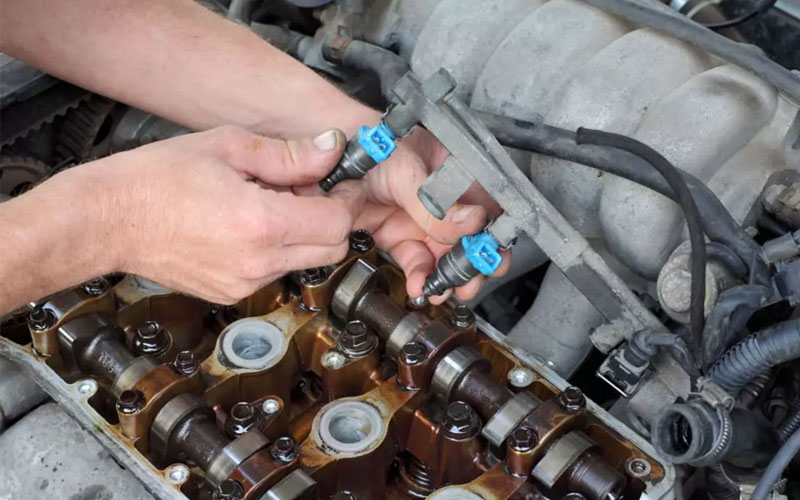
Yes, misfires and rough idling are exactly the kind of issue our diagnostic process is built to find. We read fault codes related to ignition and fuel delivery, then use live engine data and a physical inspection of spark plugs, injectors, and sensors to confirm which cylinder or system is causing the problem.
How do I know if my car's poor fuel efficiency is linked to an engine fault?
A drop in fuel efficiency is often an early sign of an underlying engine issue, such as a faulty oxygen sensor, a dirty fuel injector, or an airflow problem, even before a check engine light appears. A diagnostic check can identify whether a fault is behind the change in fuel use or whether it's simply time for routine servicing.
Will I get a clear explanation of the results, or just a technical report I can't understand?
You'll get a plain-language explanation of what we found and what it means for your car, not just a list of codes. Our aim is for you to understand exactly what's wrong and what your options are before deciding how to proceed, so you're never left guessing at a technical report.
Do I need to do anything to prepare my car before bringing it in for diagnostics?
Not really — just bring the car in as it is, ideally without clearing any warning lights beforehand. If possible, note down when the issue happens (cold starts, high speed, after long drives) and any sounds or smells you've noticed, since this context can help us narrow down the cause faster.
Can a diagnostic check find electrical or wiring faults, not just engine problems?
Yes, our diagnostic process covers sensors and wiring as well as the engine itself. Electrical faults, such as a damaged wiring harness or a failing sensor connection, can trigger the same warning signs as an engine problem, so checking both is part of finding the actual root cause rather than just treating the symptom.
Are your technicians experienced with modern ECU and sensor systems?
Yes, our technicians use advanced diagnostic tools specifically to work with modern ECU, sensor, and electronic control systems, not just older mechanical faults. As vehicles rely more heavily on onboard computers, having up-to-date equipment and experience with these systems is essential for finding faults accurately the first time.