
Acacia Automatics is a transmission specialist workshop in Moorooka, on Brisbane’s southside. We diagnose, repair, rebuild and replace automatic transmissions, and every unit is tested before it goes back into your car.
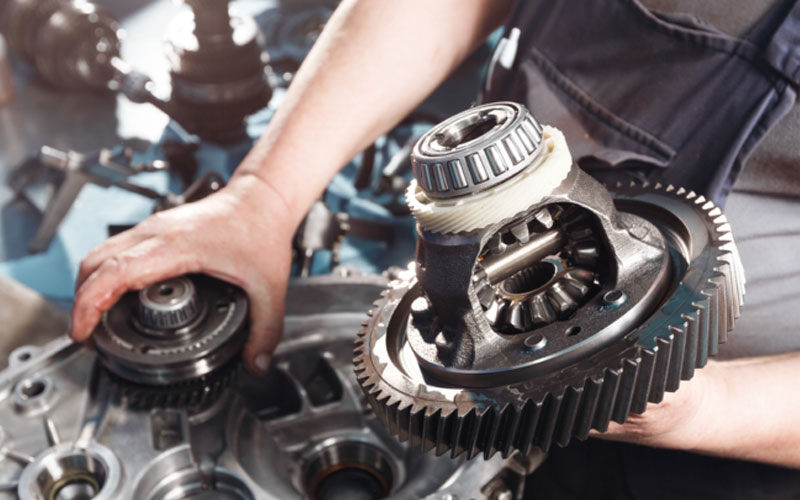
Automatic Transmission Specialist in Brisbane
What does an automatic transmission specialist do?
A transmission specialist focuses on gearboxes rather than general mechanical work. That means type-specific diagnostics, the right test equipment and the experience to tell a repairable fault from one that needs a rebuild.

Getting your vehicle’s automatic transmission system serviced regularly to avoid future repairs, however, if something goes wrong, we have got your back. Transmission is an integral and one of the most sensitive components of a vehicle, and if it malfunctions, the vehicle comes to a standstill.
Acacia Automatics uses the latest and most technologically advanced diagnostic scanners to quickly identify any problems if the vehicle is there, whilst the hydra-test valve body testing and calibration machine replicates actual road test conditions so they know a unit is working efficiently before it is dispatched to a client.
If the damage is beyond repair, we replace damaged components with new or refurbished ones to bring it back to life.
What are the signs your transmission needs repair?
If you notice any of the following, have the transmission checked before the damage spreads:
- Slipping gears when you accelerate
- Delayed, harsh or hunting gear changes
- Shuddering or vibration while driving
- A transmission or temperature warning light
- A burning smell or dark transmission fluid
These symptoms rarely fix themselves. Catching them early often means a repair instead of a full rebuild.
How do we find the fault before pulling the gearbox?
We use diagnostic scanners to read fault codes and live data, then test the valve body on our hydra-test calibration machine. It replicates real road-test conditions, so we can confirm how the unit performs without guessing from symptoms. You know what’s wrong before any major work starts.
Should you repair, rebuild or replace your transmission?
It depends on the unit’s condition, which testing confirms:
- Repair suits isolated faults such as a solenoid, seal or valve body.
- Rebuild suits widespread internal wear. We dismantle the unit, inspect every part and replace what’s worn.
- Reconditioned or replacement units are often the faster option, especially for older or hard-to-source transmissions.
Every rebuilt or replacement transmission is quality-checked and tested before installation.
Which transmission types do we service?
We work on most passenger cars, utes and SUVs, including:
- Conventional automatic transmissions
- CVT (continuously variable) transmissions
- DSG and DCT dual-clutch transmissions
- 4WD and AWD transmissions
Where is our transmission workshop?
Our workshop is at 485 Beaudesert Rd, Moorooka QLD 4105. We regularly see drivers from Moorooka, Yeronga, Tarragindi, Acacia Ridge and across Brisbane.
We’re open Monday to Thursday, 7:30 AM to 4:30 PM, and Friday, 7:30 AM to 4:00 PM.
How do you book a transmission service or repair?
Call 07 3277 5207 or book online. Tell us your make, model and year, and when the fault happens: cold start, under load, at a certain speed or between specific gears. Don’t clear any warning-light codes before you come in, as they help us diagnose the problem faster.
Automatic Transmission FAQs
How often should an automatic transmission be serviced?
Service intervals vary by manufacturer and transmission type, so check your logbook first. Cars that tow, carry heavy loads or do a lot of stop-start driving usually benefit from servicing sooner than the standard schedule.
Will an independent transmission service void my new car warranty?
Generally, no. Under Australian Consumer Law, a new car warranty can't be voided just because an independent workshop did the servicing, provided the work follows the manufacturer's specifications and uses suitable parts and fluids.
Is a transmission specialist better than a general mechanic for gearbox problems?
For transmission faults, usually yes. Modern automatics, CVTs and dual-clutch units need type-specific testing. A specialist with valve body test equipment can isolate the fault rather than replacing parts on symptoms alone.
Can you diagnose a transmission warning light?
Yes. Diagnostic scanners read the stored fault codes and live data from the transmission. This shows whether the warning relates to the transmission itself, a sensor or another system before any repair is recommended.
What is a hydra-test valve body test?
It's a bench test that runs the valve body, the hydraulic control centre of an automatic transmission, under conditions that replicate real driving. It confirms the unit shifts and holds pressure correctly before it's fitted to your car.
Do you work on Allison transmissions?
Yes, Acacia Automatics works on Allison transmissions.
Do I need an appointment for a transmission diagnosis?
Booking ahead is best so we can allow time for testing. Call 07 3277 5207 with your vehicle details and a description of the symptoms, and we'll arrange a time that suits you.